The history of the Palais Garnier, in order
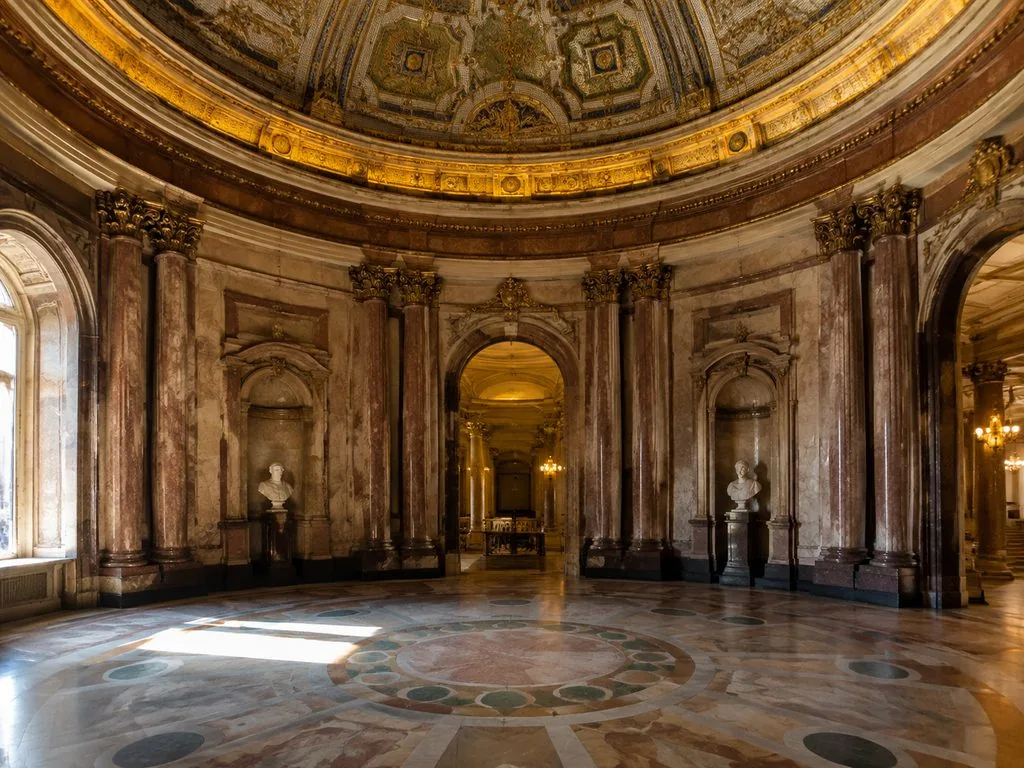
An empire orders an opera house
The commission came from Napoleon III as a set piece of Haussmann’s rebuilt Paris — new boulevards deserved a new opera at the end of one. The 1861 competition was supposed to anoint an establishment name. It produced instead Charles Garnier, thirty-five and largely unknown, whose design out-argued the famous. I like to point out to visitors that the building was an upset before it was a monument.
Water, war and the Commune
Digging began and the ground fought back: groundwater kept flooding the foundations, and Garnier’s solution — a sealed masonry cistern that steadies the building to this day — later became the most misunderstood water feature in literature, unpacked on the underground lake page. Then history piled on: the Franco-Prussian War, the fall of the Second Empire, the Commune. Through the war years the unfinished building served as a military depot and a hospital. Fourteen years passed between the first drawings and the first night.
5 January 1875
The house opened as the showpiece of a regime that no longer existed, and it did not matter. The staircase, the gilded foyer and the horseshoe auditorium of 1,979 seats did what they were designed to do, which was to make an audience feel like the performance. They still do — the walking order is on what to see inside.
The century after
Two later dates matter to a visitor. In 1964, Marc Chagall’s ceiling was installed in the auditorium over Jules-Eugène Lenepveu’s original — over, not instead of — and Parisians have argued about it ever since; I keep a grudge, politely. And in 1989 the Opéra Bastille opened across town, taking most of the big opera productions and leaving Garnier to lean toward ballet — the practical consequences are on Garnier vs Bastille. One thing the building never hosted: Marie Antoinette, who died 82 years before it opened — that myth has its own page.
Stand on the Place de l’Opéra and find gilded Apollo on the roofline, between Poetry and Music, before you go in. The building introduces itself best from thirty metres back.
Hearing it told on the streets it happened in
The theatre-district walking tour — €59 — covers the neighbourhood’s stage history around the building, Phantom lore included, but note the honest caveats: it does not go inside, and its 5.0 rating rests on just five reviews — weighed in the review. For the interior with narration, the dramatized visit is the stronger evidence base.
Frequently asked questions
Who built the Palais Garnier?
Charles Garnier, a little-known 35-year-old who won the 1861 competition under Napoleon III, as part of Haussmann’s transformation of Paris. Construction ran 1861 to 1875 — what his building looks like room by room is on what to see inside.
Why did the Palais Garnier take 14 years to build?
Groundwater flooded the foundations, then the Franco-Prussian War, the fall of the Second Empire and the Paris Commune stopped the works; the unfinished building served as a military depot and hospital in the war years. The water problem left a cistern that fed a famous myth — the lake, debunked.
When did the Palais Garnier open?
On 5 January 1875, into the young Third Republic rather than the Second Empire that commissioned it. Since 1989 most big opera has played the Opéra Bastille instead — what plays where now.
Is the ceiling original?
The auditorium ceiling you see is Marc Chagall’s, painted in 1964 and installed over Jules-Eugène Lenepveu’s original rather than replacing it. Parisians still argue about the choice, and I have picked my side.