Best seats at the Palais Garnier, as horseshoe logic
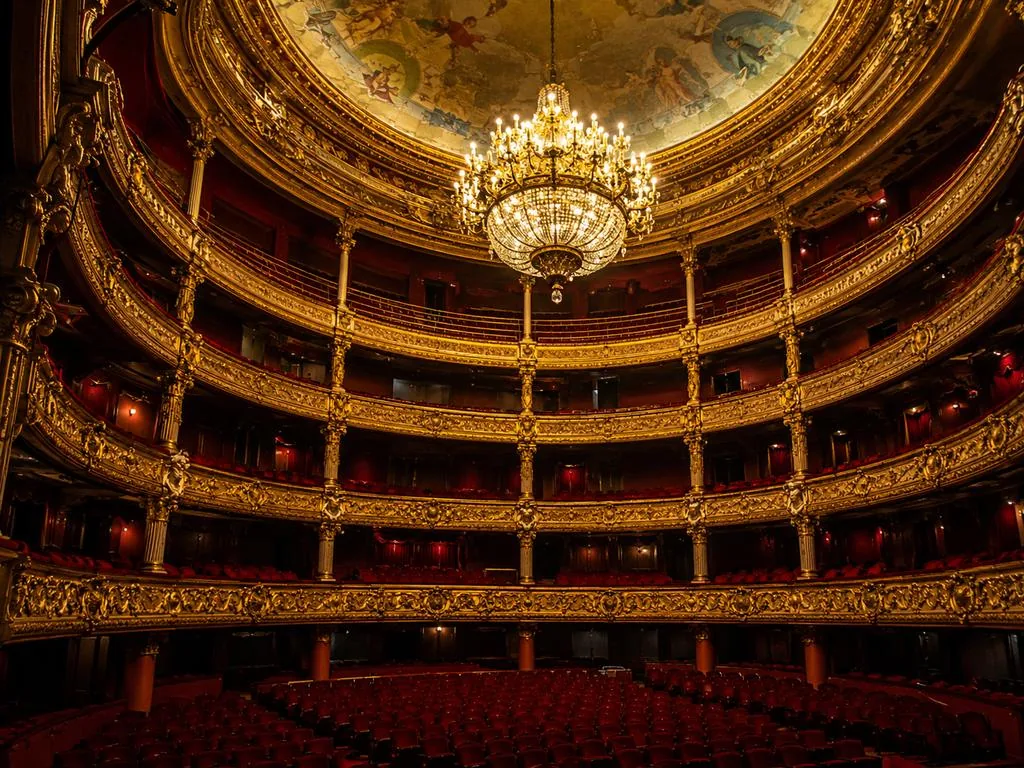
Why the boxes are worse than they look
The horseshoe was built for a society that went to the opera to be seen, and a side box shows you to the room far better than it shows the stage to you. Eleven seasons of guiding people to their seats taught me the pattern: the deeper into a box and the closer to the stage, the more of the performance you surrender. For ballet — which is what Garnier’s stage mostly carries; see Garnier vs Bastille — the floor of the stage matters, and centre seats protect it.
Choosing without a seat map in hand
Centre before side, front of a tier before the back of a lower one, and read the partial-view warnings as sincere. If the evening is a special one, what to wear is answered plainly on the dress code page — and if you only want to see the auditorium rather than a performance, a daytime visit is the cheaper route, rehearsals permitting: why the room is never promised.
The horseshoe with a dancer beside you
The private tour with a working ballet artist pairs the visit with a show ticket — €295, extraordinary access on thin evidence: 4.0 from eight reviews and a mixed record, weighed honestly in the review.
Frequently asked questions
What are the best seats at the Palais Garnier?
Central orchestre stalls and the front of the central balconies, by ordinary horseshoe logic — the curve punishes the sides. Which house your show is even in is worth checking first on Garnier vs Bastille.
Are the boxes at the Palais Garnier good seats?
They are wonderful rooms and compromised viewpoints: side boxes lose sightlines the further round the horseshoe they sit. If seeing the stage is the point, take centre seats; if the evening itself is the point, dress accordingly.
Where do I buy Palais Garnier show tickets?
From the Opéra national de Paris at operadeparis.fr — no tour operator or affiliate site sells them. To see the auditorium without a performance, a daytime visit works when rehearsals allow — the auditorium truth.